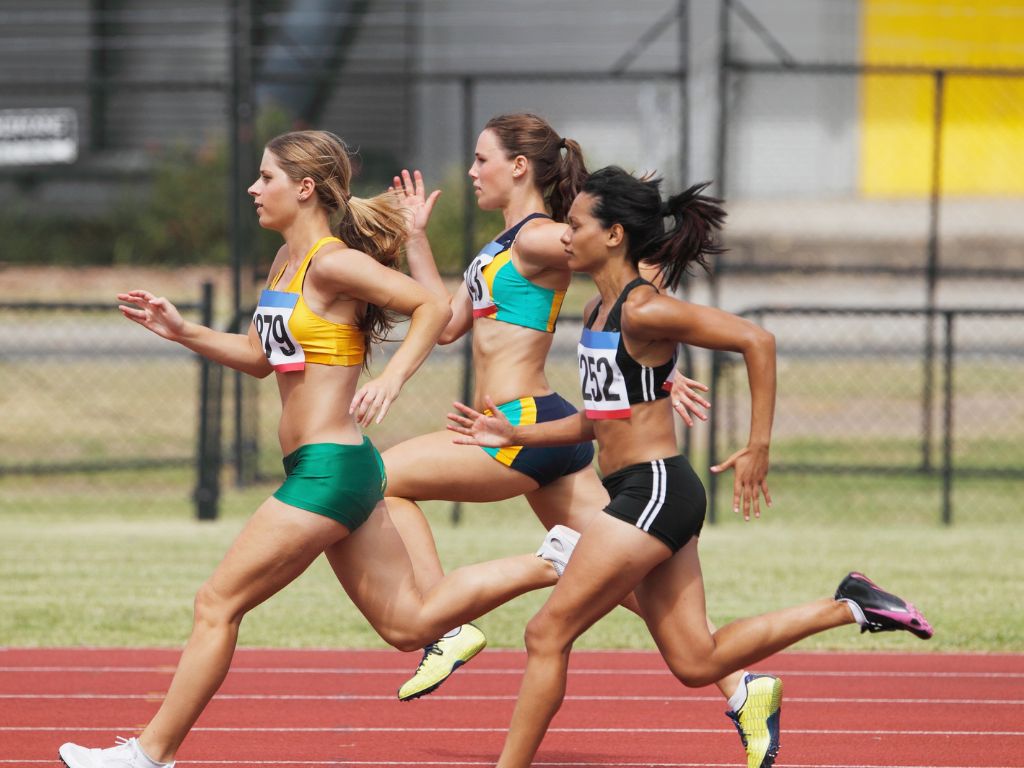
In sport, behaviours that might raise concern elsewhere can sometimes be praised as dedication. Training through exhaustion, tightly controlling food, or never missing a session can look like commitment from the outside. The difficulty is recognising when discipline stops supporting the athlete and starts taking over.
Athletes are often encouraged to be disciplined, consistent and focused, and training routines, nutrition and performance can naturally take up a significant part of an athlete’s life. That’s part of what makes eating disorders in athletes and
disordered eating in athletes so hard to catch early. Behaviours that would raise a flag anywhere else can be read as proof someone is serious about their sport.
As an ultra runner myself, I’ve experienced both sides of this. Some of the personality traits that make someone a good endurance athlete – the drive, the tolerance for discomfort, the ability to keep going when it would be easier to stop – are the same traits that put you at risk of an eating disorder, and that can tip into one when they aren’t managed well.
This article looks at when sporting discipline stops supporting someone and starts negatively affecting their wellbeing.
Why Eating Difficulties Can Be Harder to Spot in Athletes
In most sporting environments, high training volumes are simply normal. Nutrition and body composition get discussed regularly and openly, and athletes are often already closely monitoring their own performance and recovery as a matter of course. Against that backdrop, restriction can get reframed as discipline, or “clean eating,” and excessive exercise is harder to identify when training is already woven into daily life.
Praise for weight loss, leanness or extra training sessions can unintentionally reinforce difficult patterns, even when no one intends harm by it. And someone can continue to appear highly successful, or keep performing well, while struggling significantly on the inside – performance and wellbeing don’t always move together. None of this means sport itself causes eating disorders. It means the environment can make genuine difficulty harder to see, for the athlete and everyone around them.
Where Is the Line? Signs to Look Out For
There is no single behaviour that automatically means an athlete has an
eating disorder. What matters more is the wider patterns, the motivation behind it, how much flexibility remains, and what impact it’s having on life outside sport.
Potential signs worth paying attention to include increasingly rigid food rules, anxiety around unplanned meals, stories about food and exercising not adding up or a feeling that food needs to be “earned.” They can include compensating for eating through exercise, intense guilt or anxiety when training is missed, or training despite injury, illness or significant exhaustion. Increasing preoccupation with weight, body composition or food, frequent weighing or body checking, and social plans being avoided because they interfere with food or training routines are all worth noticing too. Along with an individuals’ mood becoming heavily influenced by food, exercise or body image, and persistent fatigue or difficulty recovering.
The important question is often not simply “how much are you training?” but “how much choice and flexibility do you still feel you have?”
If you’re trying to work out whether what you’re noticing is disordered eating or something that meets the threshold for an eating disorder,
Do I Have an Eating Disorder or Is It “Just” Disordered Eating? goes into that distinction properly.
Body Image and Performance Pressure in Sport
Some sports place particular emphasis on weight, leanness or appearance, and kit or uniform can heighten body awareness in ways that are hard to avoid. Comparing bodies with teammates or competitors is common, and social media and wider fitness culture add another layer of comparison on top of that. Comments about weight or appearance from coaches, peers or others, even offhand ones, can land harder than intended, and they are almost impossible to escape in today’s society.
Underneath a lot of this sits a belief that becoming lighter or leaner will always improve performance, which isn’t reliably true and can drive behaviour that actively works against an athlete rather than for them. Body image difficulties in athletes can affect people of any gender, and performance goals and appearance goals can become genuinely difficult to separate from each other.
Alongside this sits the perfectionism that is common within athletic populations, along with an intense attention to detail. These traits can be real strengths in training and competition, helping athletes refine technique, stay consistent and keep improving. But the same precision can turn inward, so that food, weight and body shape start to receive the same scrutiny as a training plan. When that happens, small details can start to feel enormously important, and the high standards that serve an athlete well in sport become much harder to switch off around eating and the body.
When Exercise Stops Feeling Like a Choice
Compulsive exercise isn’t defined simply by how many hours someone trains. For athletes, a high training volume may be entirely appropriate and necessary. The more useful question is about the person’s relationship with training, not the number on the schedule.
Worth exploring: what happens emotionally when they can’t exercise? Does rest feel like a necessary part of training, or something that has to be avoided at all costs? Has exercise become connected to guilt, fear, food compensation or self-worth? Can the athlete respond flexibly to injury, illness or changes to their training plan, or does any disruption feel intolerable? When exercise shifts from something chosen to something someone feels unable not to do, that shift is worth exploring, whatever the training log says about volume. This is the territory compulsive exercise and eating disorders sits in – not the hours themselves, but what’s driving them.
Eating Disorders, Low Energy Availability and RED-S
Athletes need enough energy to support both training and normal physiological function. Low energy availability occurs when the body doesn’t have enough energy left over after exercise to adequately support those functions.
RED-S – Relative Energy Deficiency in Sport – is the term for the resulting effects, which impacts health, wellbeing and sporting performance all at once.
An eating disorder or disordered eating may contribute to low energy availability, but athletes can also under-fuel unintentionally, without any disordered relationship with food driving it where they are simply not eating enough for the demands being placed on the body. This is worth being precise about: RED-S is not itself an eating disorder, and treating RED-S and eating disorders as interchangeable misses that distinction. Diagnosis and management of RED-S require appropriate healthcare professionals, not guesswork.
Athlete Identity, Perfectionism and the Fear of Slowing Down
Sport can become a major part of someone’s identity. It is not just what they do, but who they understand themselves to be. Performance environments often reward persistence and high standards by their very nature, and that same perfectionism can make it genuinely difficult to recognise when something has stopped being helpful.
Asking for help can feel like weakness in a culture built around pushing through. Athletes may worry about losing fitness, missing competition, losing their place in a team, or being told they have to stop training altogether – all real and valid concerns. Injury or enforced rest can create significant identity difficulties for exactly this reason.
I’ve also been on the receiving end of support that wasn’t delivered with much care or compassion by being told to stop sport completely, met with fear rather than curiosity about what was actually going on for me. What’s helped me far more, both as an athlete and as a therapist, is keeping the conversation open rather than closing it down and treating athletes as autonomous people involved in their own health, not problems to be managed. That means coaches, carers and teammates being willing to say something when they sense a shift, even a small one, long before it becomes a crisis.
It’s worth knowing, too, that eating disorders are often secretive by nature, and the person you’re worried about may not be ready to hear what you have to say. I know that from personal experience. There were plenty of times I wasn’t ready to accept support myself when it was offered. But it’s in building that supportive team around someone, patiently, even when they can’t take it in yet, that can genuinely change the trajectory of their life, and their athletic path along with it.
Therapy can create space to explore who the person is beyond performance, which is often the piece that’s hardest to access alone.
What Can Coaches, Parents and Teammates Do?
Notice changes in behaviour and mood, not only changes in weight. Approach the athlete from a place of concern rather than accusation, and avoid praising weight loss or making unnecessary comments about appearance, even well-meaning ones. Don’t assume strong performance means everything is okay underneath it. The two aren’t the same thing. Focus on wellbeing alongside results, and encourage professional support where it seems appropriate, rather than trying to manage it within the team or family alone.
How Therapy Can Support Athletes With Eating Difficulties
Therapy can offer space to explore the thoughts and feelings surrounding food and exercise, and to understand perfectionism and high personal standards rather than simply trying to talk someone out of them. It can help explore identity outside sport, the role of control, body image, self-worth and anxiety, and the emotional role exercise may be playing beyond its physical one. Relationships or earlier experiences can be relevant too, where they are.
The aim is developing greater flexibility, not treating sport itself as the problem. Athlete eating disorder support that respects what sport means to someone, rather than asking them to give it up. A good sports eating disorder therapist works alongside medical, nutritional and sports-specific support, not instead of it. Online therapy for athletes can make this more accessible around demanding training schedules.
Sara Eydmann’s Approach to Working With Athletes
Sara Eydmann is a BACP-registered integrative therapist offering online counselling across the UK. Eating disorders, neurodivergence and sport are her core specialist areas. Sara is personally an ultra runner, which gives her first-hand insight into sporting culture, training, identity and performance pressure. Sara’s professional work remains grounded in her therapeutic training, and her approach draws mainly from person-centred and psychodynamic therapy. She considers the person underneath the athlete, rather than focusing solely on sporting performance, and her role is therapeutic rather than medical, dietetic or coaching.
You Do Not Need to Wait Until Your Performance Drops
Someone can continue performing well while struggling – performance is not a reliable measure of psychological or physical wellbeing, and treating it as one can delay support for a long time. Athletes don’t need to wait for a major performance decline, a formal diagnosis, an injury, or symptoms becoming severe before reaching out.
If food, exercise or body image is causing distress or taking up significant mental space, it’s worth talking about, regardless of where you are in a season or a training block.
Frequently Asked Questions
Can athletes develop eating disorders?
Yes. Athletes can experience eating disorders and disordered eating just like anyone else. Certain sporting pressures may also make some behaviours harder to recognise because strict training and nutrition routines can be normalised.
How can you tell the difference between disciplined training and compulsive exercise?
It is often less about the amount of training and more about flexibility and motivation. Exercise may become concerning when someone feels unable to rest, experiences significant guilt or fear around missing training, or uses exercise to compensate for food.
Is RED-S an eating disorder?
No. RED-S and eating disorders are different. Eating disorders can contribute to low energy availability and RED-S, but RED-S can also occur when an athlete unintentionally fails to consume enough energy for their training and physiological needs.
Can athletes have eating disorders without losing weight?
Yes. Eating disorders can affect people in any body size, and appearance alone cannot tell you whether someone is struggling.
Can therapy help athletes with body image and food difficulties?
Yes. Therapy can explore the emotional and psychological factors surrounding food, body image, exercise, identity and performance.
Will starting therapy mean I have to stop training?
Not automatically. Training decisions depend on the individual and any relevant medical considerations. A therapist does not replace medical or sports medicine assessment.
Getting Support
Sara offers online therapy across the UK. A formal eating disorder diagnosis is not required before making contact. You can explain a little about what you’re experiencing, and Sara can advise whether she may be the right therapist for you. Medical, dietetic or other specialist support should be sought alongside therapy where required.
Contact Sara Eydmann to find out more about online therapy for athletes experiencing difficulties with food, exercise, body image or performance pressure.
If someone is physically unwell, experiencing symptoms linked to under-fuelling, or there are concerns about their immediate health or safety, they should seek appropriate medical support through their GP or NHS 111. Urgent or life-threatening symptoms require emergency medical care. Beat also provides specialist eating disorder information and support.